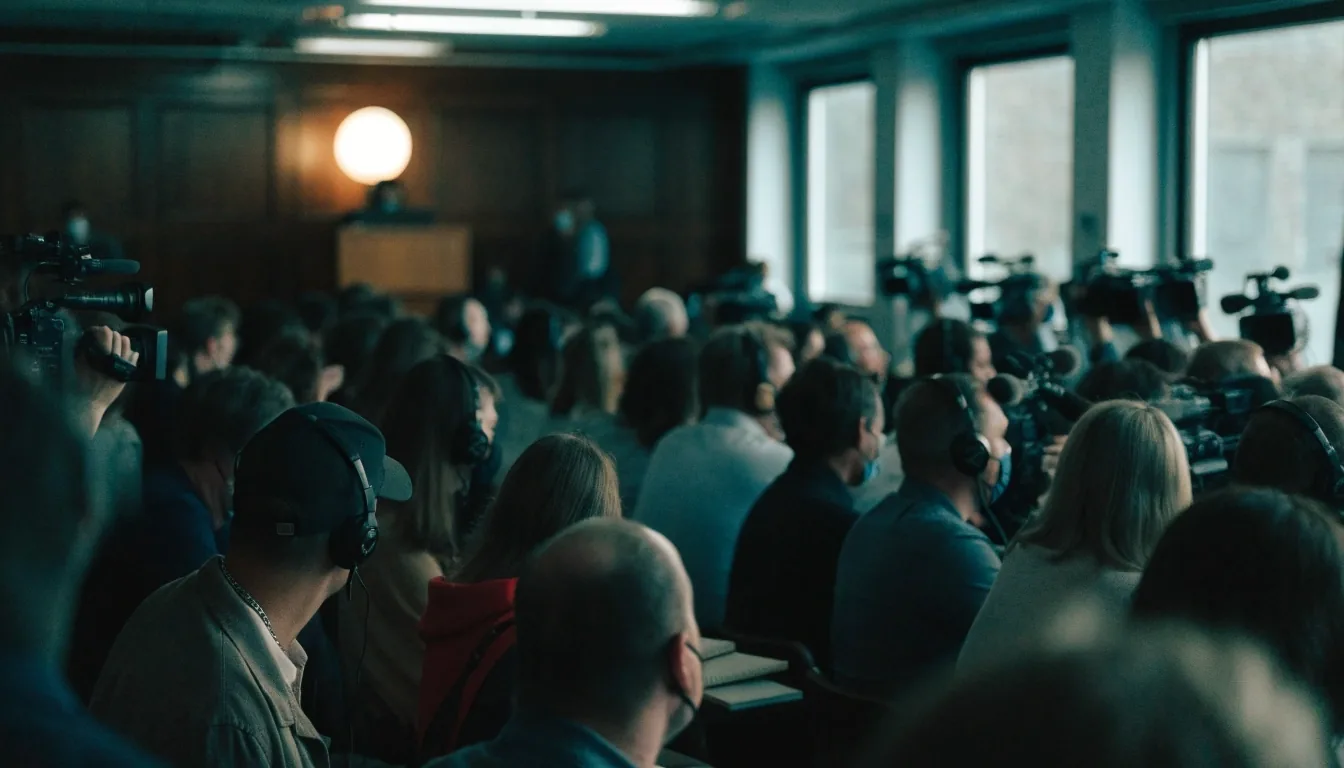
Political reporters seated in a Washington press briefing room during midterm election season

Key Figures

The people driving U.S. politics

Profiles of the elected officials, candidates, and media figures shaping the current U.S. political conversation. Facts first, context second, no horse-race speculation presented as analysis.

Who we profile, and why

This page covers three kinds of figures: officials with national reach, candidates whose races test a party message, and media voices who move where attention lands. Status shifts fast in October of an election year, so each entry describes the role a person or outlet plays right now rather than grading their odds.

Use the index below to jump straight to a profile. Every entry stays short on purpose: who they are, what they are doing this cycle, and what to watch next.

Officials and races with national reach

Three contests and one office carrying the heaviest signal in 2026 coverage.

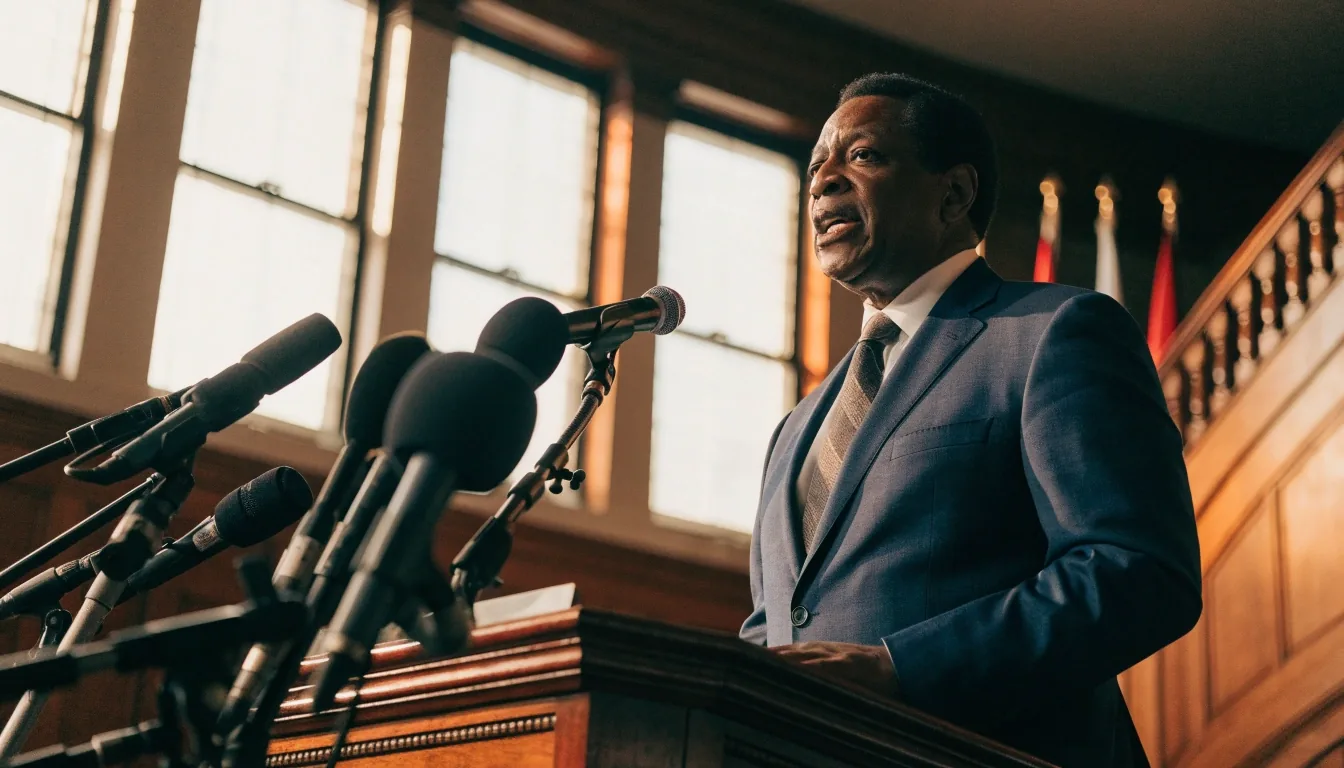
A governor speaking at a lectern during a state capitol press conference

Elected official

Gavin Newsom, California governor and national figure

Newsom governs the largest state in the country and spends real time on a national stage. He is a frequent voice on abortion, climate, immigration, and redistricting, and he appears regularly in 2026 speculation about Democratic messaging and future presidential politics. His name draws attention well beyond California. Watching how he handles both jobs tells you something about where the party's center of gravity is.

For readers tracking the midterms, the useful detail is not the speculation. It is which fights he chooses to lead in public and which he leaves to others.
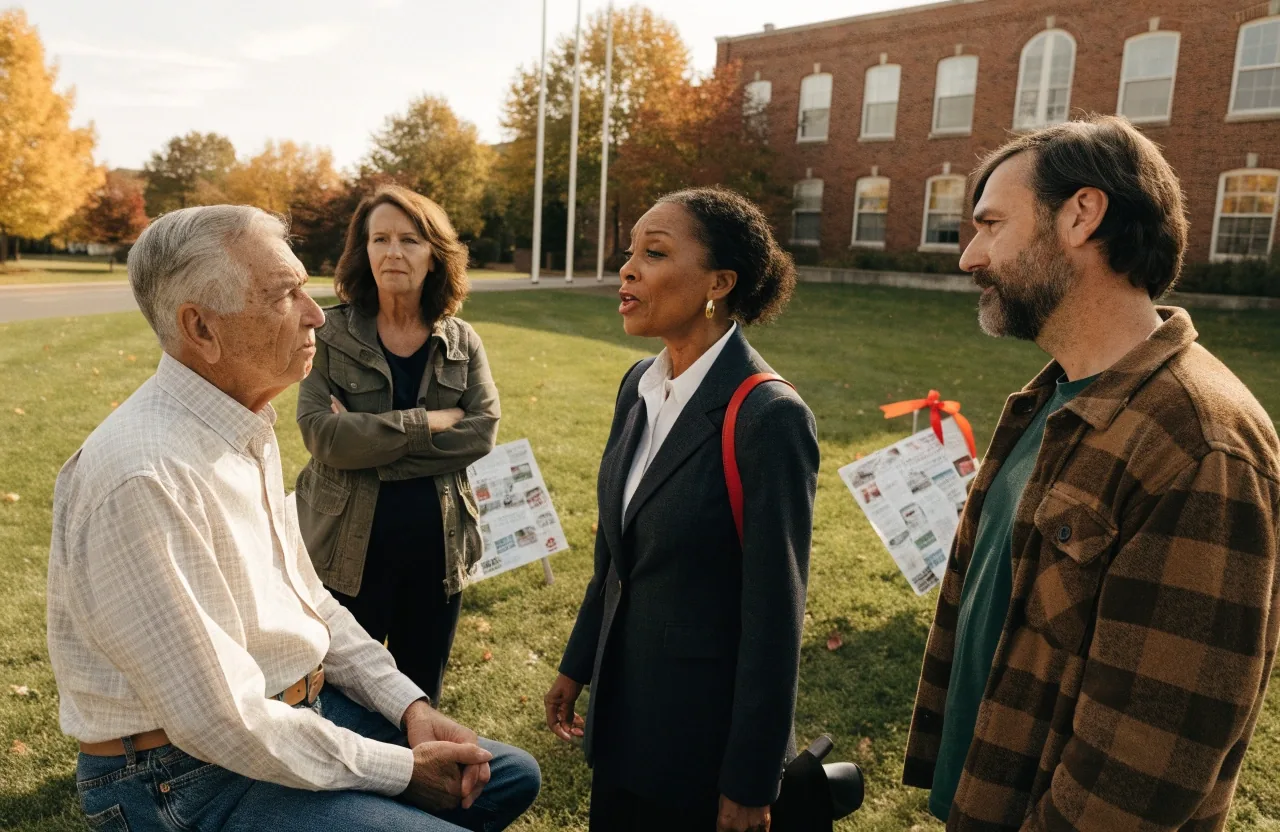

A Democratic candidate speaking with residents at a suburban New Jersey campaign event

New Jersey governor race

Mikie Sherrill and the New Jersey governor race

Sherrill is the Democratic nominee in New Jersey's governor race in 2026 coverage. Her campaign is part of the anti-Trump backlash framing that Democrats are testing in suburban, education-focused messaging. New Jersey is a state where turnout and college-educated voters matter a lot. Whether her national framing lands in a state race is one of the clearest tests of the cycle.

A Democratic candidate greeting shop owners on a small-town Virginia main street

Virginia governor race

Abigail Spanberger and the Virginia governor race

Spanberger is a major Democratic figure in Virginia's 2026 governor race. Her campaign is often used to gauge whether moderate appeal still works in a purple state. She is part of the cluster of high-profile off-year contests that shape national narratives. Whether Spanberger-style pragmatism still wins in a polarized electorate is the central question her race poses.

A key figure changes the terms of the conversation — not just the volume around it.

That test is why this page includes a podcast host and a wire service alongside governors and senators. If a person or outlet moves what candidates argue about, how voters pay attention, or what the press treats as the story of the day, they belong here.

The 2026 frame: precedent and power

Two figures anchor the cycle without running in it the same way as the candidates above. One set the record that both parties argue over; the other sets the agenda every race is responding to.

Retrospective frame

Joe Biden and the 2026 comparison game

Biden is the 47th president's predecessor, and his record remains a comparison point in 2026 coverage. Both parties use his administration's policies as contrast material. Debates over inflation, governance, and party identity often loop back to his time in office. He is relevant to the cycle as a retrospective frame, not as a candidate.

When you see a candidate reach for a contrast, ask which part of the record they are actually naming. Broad strokes hide real differences between policy areas.

Sets the terms of the cycle

Donald Trump and the terms of the cycle

Trump's second-term agenda sets the terms of the 2026 fight. Executive actions, immigration enforcement, federal spending, and Russia policy are all active fronts. His coalition's durability in the suburbs is the central question for the midterms. Every other figure on this page is, in some way, responding to him.

That is why we list him as a frame rather than a contestant: the midterms will be decided in districts, but the argument running through all of them starts here.

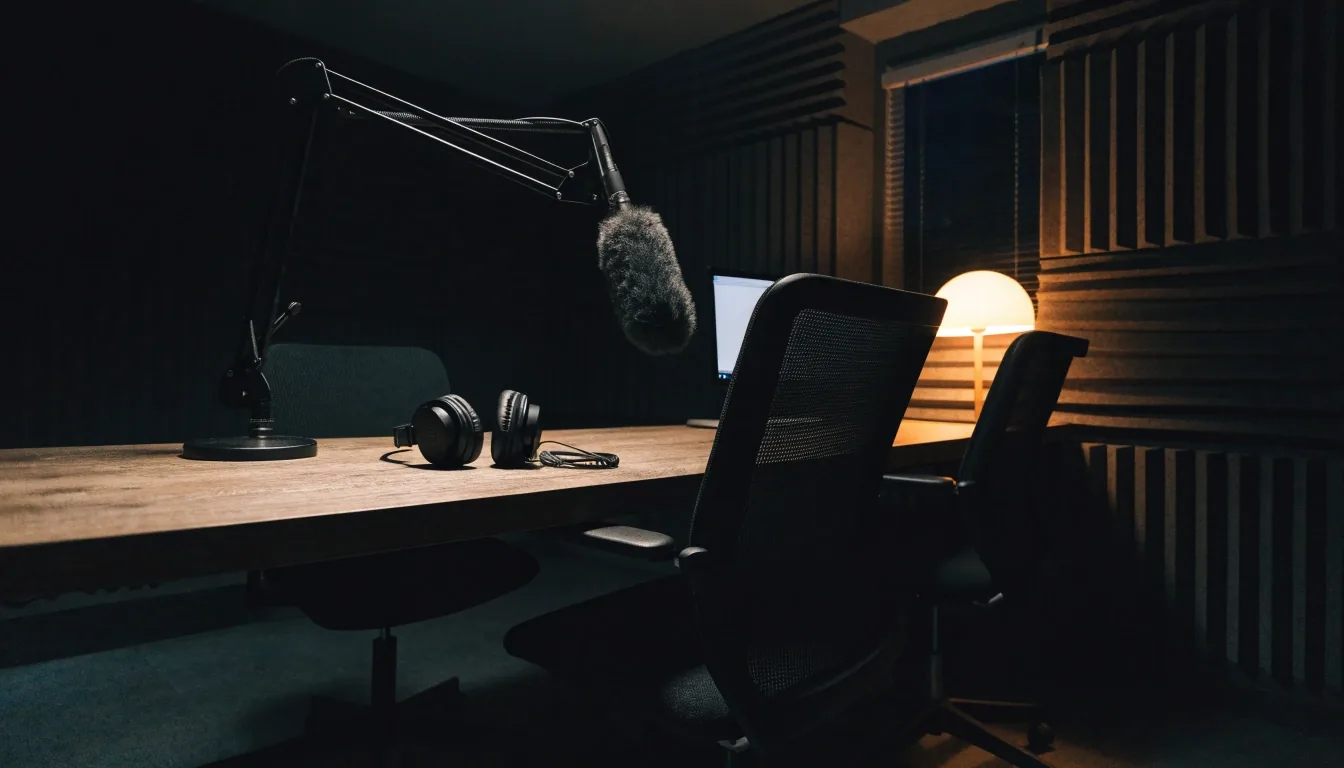
A podcast studio desk with a boom microphone, headphones, and two chairs under warm lamp light

Media voices who move attention

Where the press packs its coverage shapes what voters see first. These are the desks and platforms we watch closely, because their choices reveal what counts as the story of the day.

Creator-led attention

Joe Rogan and the creator-led attention shift

Rogan is a major political-media amplifier despite never holding office. He is frequently cited in coverage of online influence, masculine voter outreach, and podcast politics. He represents the larger shift from television to creator-led political attention. How candidates try to reach low-trust audiences runs through his show, whether or not he endorses anyone.

Live political hub

CNN Politics and the fast-turnaround desk

CNN Politics is one of the main live political news hubs in the U.S. It covers the White House, Congress, courts, campaigns, and elections. Its election coverage leans on real-time updates and analysis. What it emphasizes during a breaking-news cycle tells you what the mainstream press considers the story of the day.

Wire-service baseline

Reuters and the straight-news baseline

Reuters is a global wire service with strong U.S. politics reporting. It is known for straight-news coverage of elections, courts, and policy changes. Its election desk is a common reference during major cycles. Wire-service reporting often sets the factual floor that other outlets build on, which is why we treat it as a baseline.

What "key figure" means here

A key figure is someone who changes the terms of the political conversation, not just someone who gets coverage. That includes elected officials with national reach, candidates whose races test a party's message, and media voices who move attention. We update these profiles as races and roles change. If a figure drops out of relevance, the profile reflects that.

We keep three lines clear. Profiles are not endorsements. Reported facts are labeled as reporting; interpretation is labeled as analysis. And when a race shifts enough to change a figure's role, the profile is rewritten rather than patched with a line of stale framing.

Questions readers send us

The two questions we get most about this page, answered plainly.

Why is Joe Rogan on a politics site?

Because his podcast reaches audiences that candidates actively court, and he shapes political attention whether or not he endorses anyone. That is a political fact, not an editorial endorsement.

Are these profiles endorsements?

No. They are factual profiles with context. We do not endorse candidates, and we label opinion separately from news.

How often do you update these profiles?

As roles and races change. When a candidate drops out or a figure's relevance shifts, we update the profile rather than leaving stale copy up.

An empty federal office corridor at night seen in deep perspective

Our DC newsroom is open Monday to Friday

Gustrion covers the 2026 midterms from 1201 Pennsylvania Avenue NW in Washington, DC. If you have a primary source or a document worth checking, send it to our desk. Office hours are 9:00 AM to 6:00 PM ET, and correspondence to [email protected] reaches the newsroom.

Address
1201 Pennsylvania Avenue NW, Suite 400, Washington, DC 20004
Phone
+1 202-496-1055
Email
[email protected]